How much sugar is in fruit?
Most whole fruit has between 5 and 15 g of sugar per 100 g, mostly fructose, glucose and sucrose. In whole fruit that sugar comes packed with water and fiber, which slows how fast it hits your bloodstream compared with juice or candy. The FDA's 50 g daily value is for added sugars, not the sugar fruit grows with, so we don't show a % daily value on this list.
Which fruits have the least sugar?
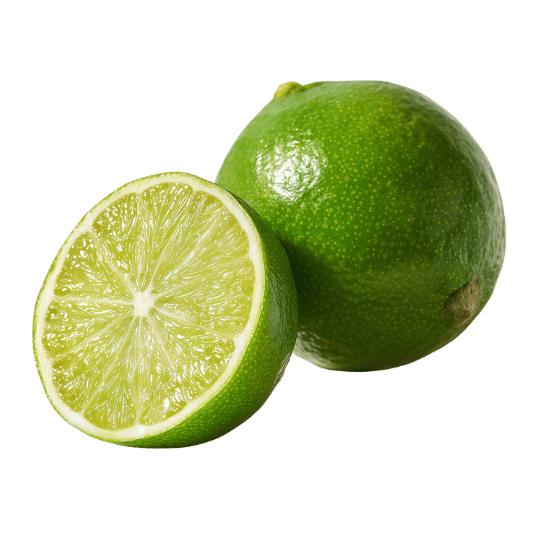
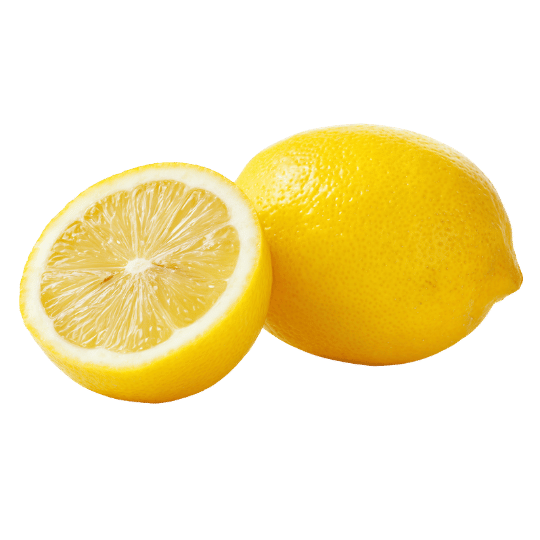
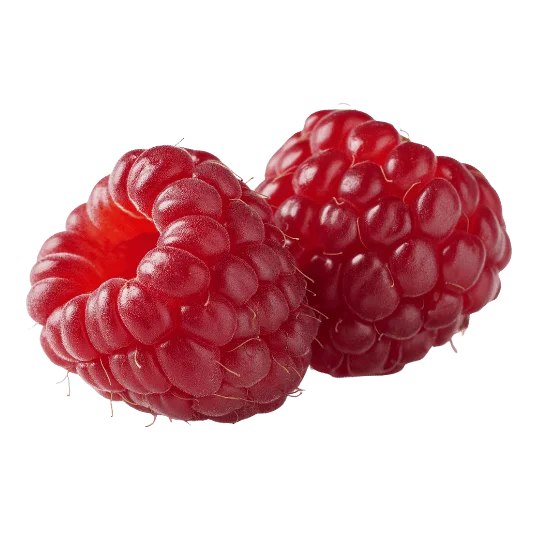
Avocado is the lowest by far at 0.3 g per 100 g. Unsweetened acai pulp has about 1 g, and limes and lemons have 1.7 g and 2.5 g. Cranberries are low too at 4.3 g, but they're rarely eaten plain. For fruit you'd actually eat by the bowl, raspberries, blackberries and strawberries are the best choices at under 5 g per 100 g.
Which fruits have the most sugar?
Jackfruit (19.1 g), grapes (15.5 g), mango (13.7 g), cherries (12.8 g) and bananas (12.2 g) top the list. Portion makes a big difference: a cup of grapes has about 23 g of sugar, while a cup of strawberries has about 7 g.
Check the label on frozen fruit
Plain IQF fruit has no added sugar. The ingredient list should name one thing, the fruit. Some frozen products are packed in syrup or sugar, and a lot of retail acai is sold as a sweetened blend with several times the sugar of plain pulp. If the label says sweetened, original blend or in syrup, it isn't the same as the numbers here.
Dried fruit is a different story
Drying removes water, so the sugar gets concentrated. Raisins have about 59 g of sugar per 100 g compared with 15.5 g in fresh grapes. Gram for gram, fresh or frozen fruit is always the lower sugar option.
How we ranked these fruits
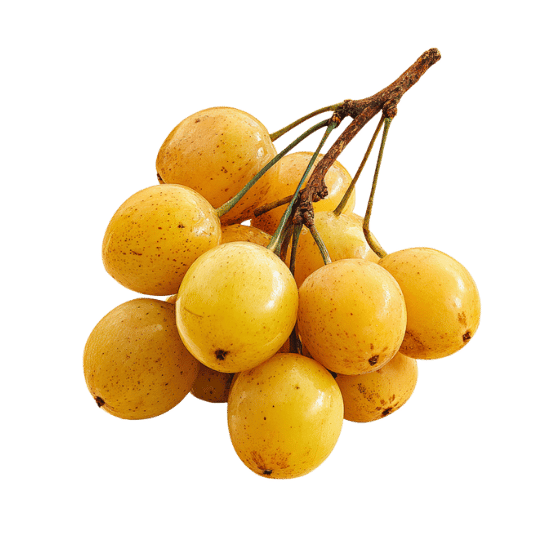
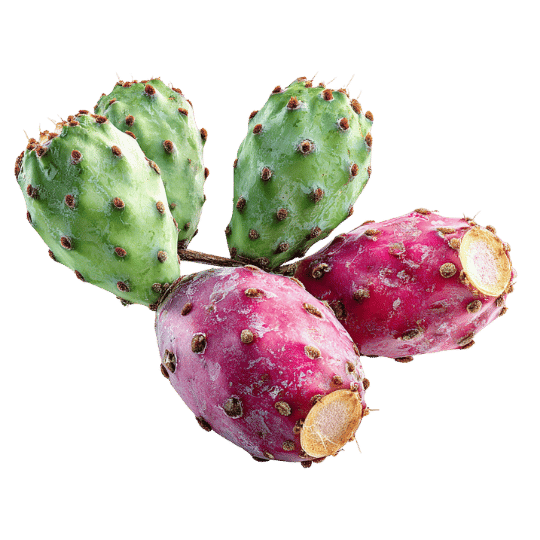
Values are total sugars per 100 g of raw edible fruit from USDA FoodData Central. Acai is plain unsweetened frozen pulp. Per serving amounts use the serving shown under each fruit. Goldenberry and prickly pear are not ranked because USDA does not list their sugar. Vegetables and roots in our database, like beets and sweet potato, are left out.
More fruit nutrition rankings