How many carbs are in fruit?
Most fruit has between 8 and 16 g of total carbohydrate per 100 g, mostly from natural sugar plus some fiber and starch. The daily value for total carbs on US labels is 275 g, so fruit is rarely the issue for most people. It matters more if you're following a low carb plan with a set daily limit.
Total carbs vs net carbs
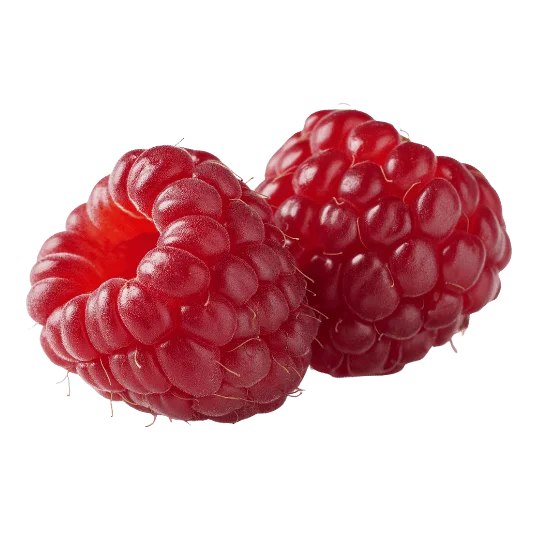
This list ranks total carbs, the number on most nutrition labels. Net carbs subtract fiber, which is what most keto plans count. High fiber fruits move a lot between the two: raspberries have 11.9 g total carbs per 100 g but only 5.4 g net. If you count net carbs, use our keto fruits ranking instead.
The best low carb fruits
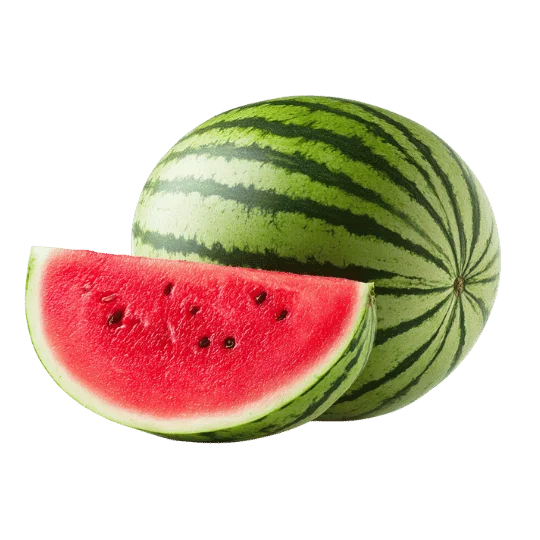
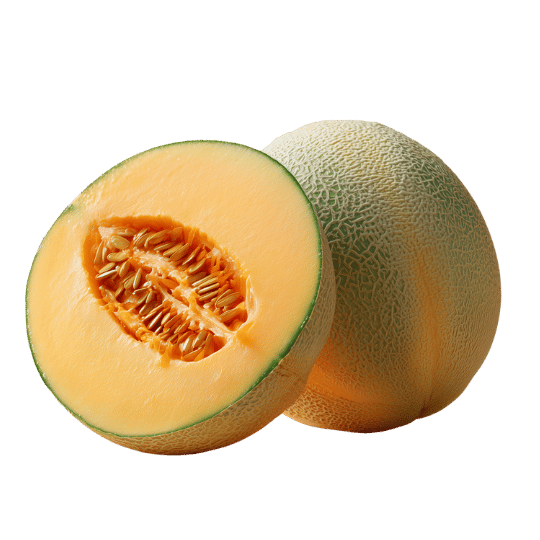
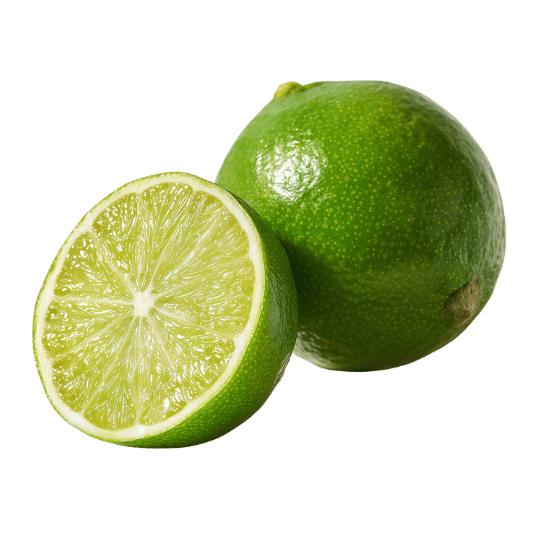
Unsweetened acai and avocado are the lowest carb options that also bring healthy fat. Among sweet fruits, strawberries (about 11 g per cup), watermelon (11.5 g per cup), blackberries (13.8 g per cup) and cantaloupe (13 g per cup) are the easiest to fit into a low carb day. Lemon and lime work well for flavor.
Higher carb fruits to portion carefully
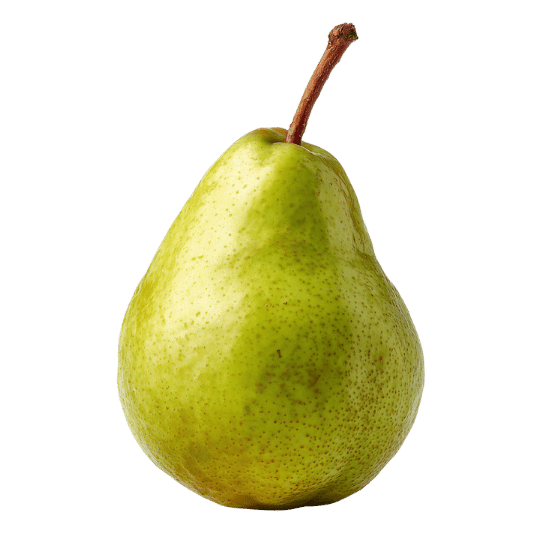
Jackfruit (about 38 g per cup), grapes (27 g per cup), pears (27 g each), bananas (27 g each) and mango (25 g per cup) carry the most carbs per serving. See our full list of fruits high in carbs.
Frozen fruit and carbs
Plain frozen fruit has the same carbs as fresh. Sweetened blends, fruit in syrup and most retail acai packs add sugar, which can double the carbs per serving. Look for a one-ingredient label.
How we ranked these fruits
Values are total carbohydrate per 100 g of raw edible fruit from USDA FoodData Central. Acai is plain unsweetened frozen pulp. Per serving amounts use the serving shown under each fruit. Vegetables and roots in our database are left out.
More fruit nutrition rankings