How much protein does fruit have?
Most fruit has between 0.3 and 1.5 g of protein per 100 g. Even the top fruits on this list have far less than beans, eggs or yogurt. The daily value for protein is 50 g, so a serving of fruit usually adds 1 to 5% of it. Fruit won't carry your protein intake, but some choices add more than others.
Which fruits have the most protein?
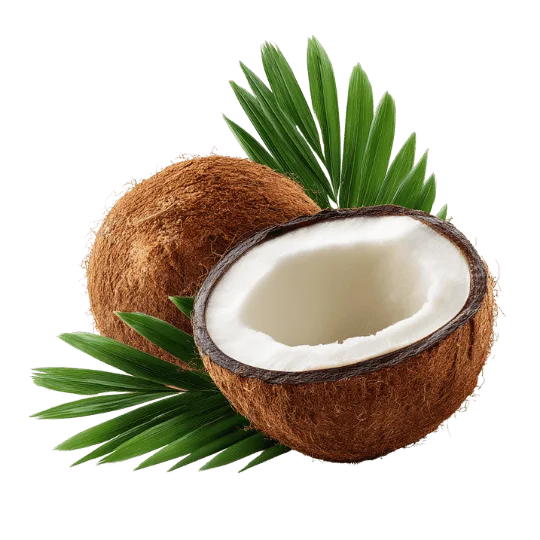
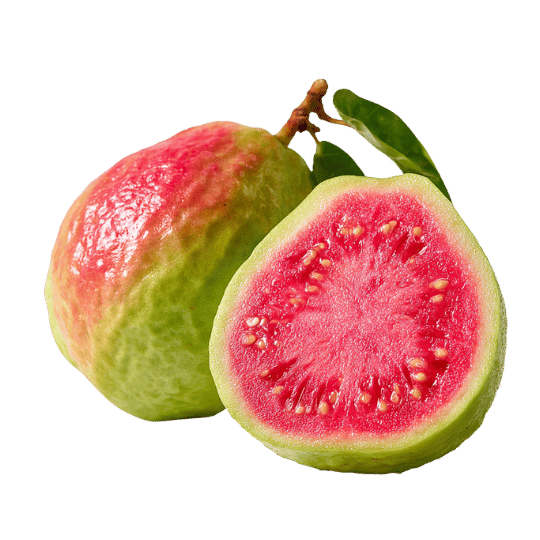
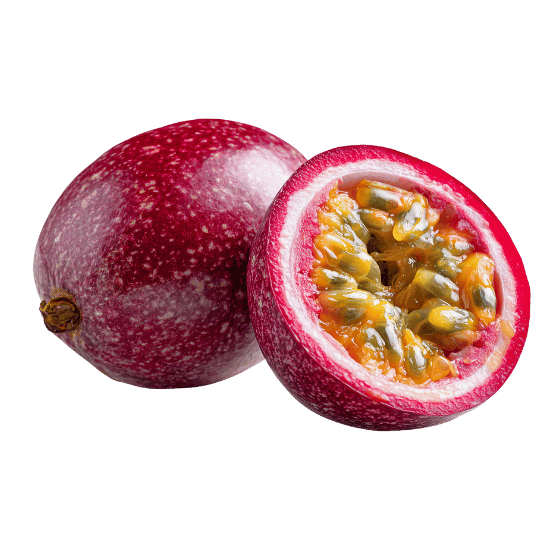
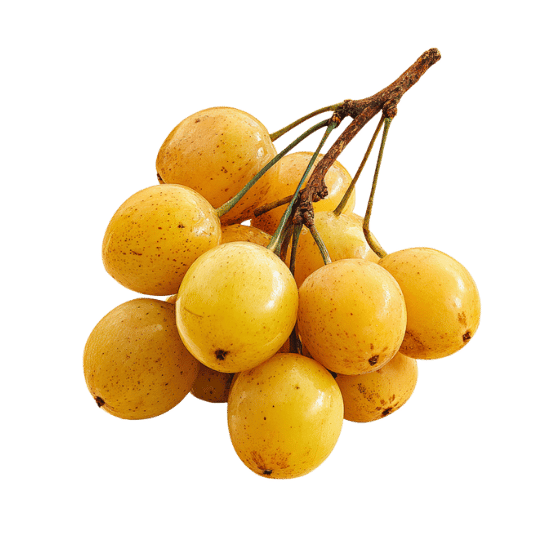
Coconut meat leads at 3.3 g per 100 g, followed by guava (2.5 g), passion fruit (2.2 g), avocado (2 g), goldenberries (1.9 g) and jackfruit (1.7 g). Per serving, jackfruit, goldenberries, shredded coconut and a whole avocado each land around 2.7 to 2.8 g.
Is jackfruit a protein substitute?
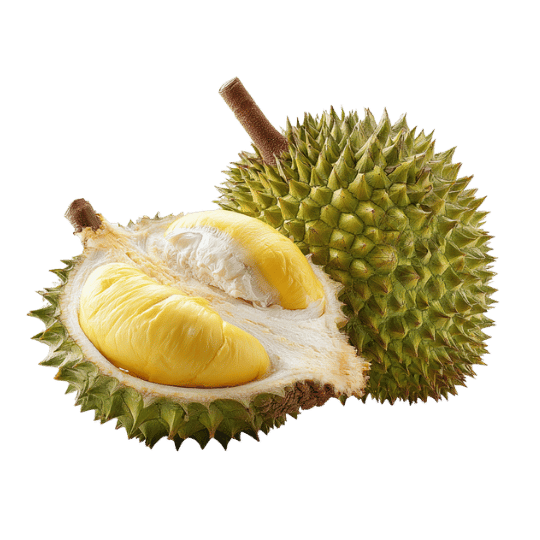
Jackfruit is popular as a plant based stand in for pulled pork because of its texture, not its protein. At about 1.7 g per 100 g it has a small fraction of the protein in meat, so recipes that use it usually need beans, tofu or another protein alongside it.
Berries pull double duty
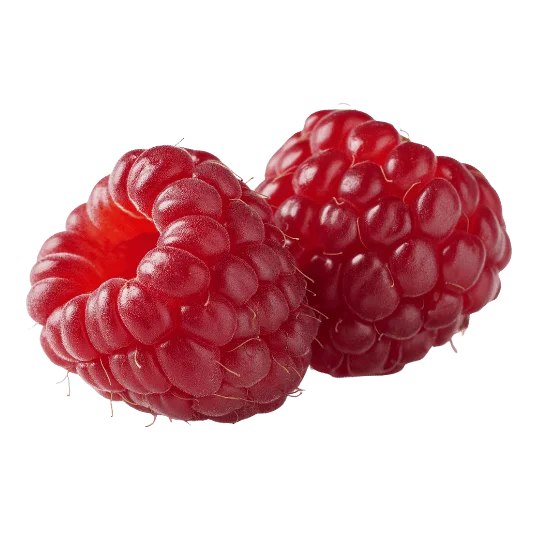
Blackberries and raspberries have more protein than most fruit, about 2 g and 1.5 g per cup, plus a lot of fiber. That makes them a good fit for protein shakes and yogurt bowls, where they add texture and color without much sugar.
Building a higher protein fruit snack
Pairing fruit with a protein source does more than picking the highest protein fruit. A cup of frozen berries blended with plain Greek yogurt (about 10 g of protein per 100 g) or a scoop of protein powder gets you to 20 g or more. Freezing does not change the protein in fruit.
How we ranked these fruits
Values are per 100 g of raw edible fruit from USDA FoodData Central. Per serving amounts use the serving shown under each fruit, and % daily value uses the 50 g FDA daily value. Vegetables and roots in our database, like beets and sweet potato, are left out.
More fruit nutrition rankings