How much vitamin C do you need a day?
The daily value on US nutrition labels is 90 mg. The recommended intake is 90 mg for adult men and 75 mg for adult women, and people who smoke need an extra 35 mg. Your body doesn't store much vitamin C, so it has to come from food every day.
Do oranges have the most vitamin C?
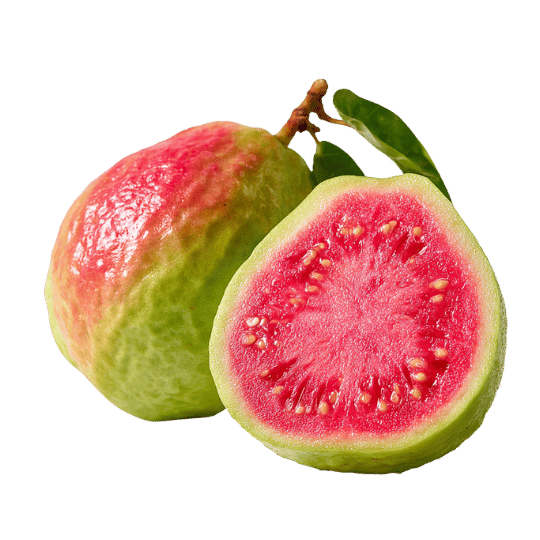
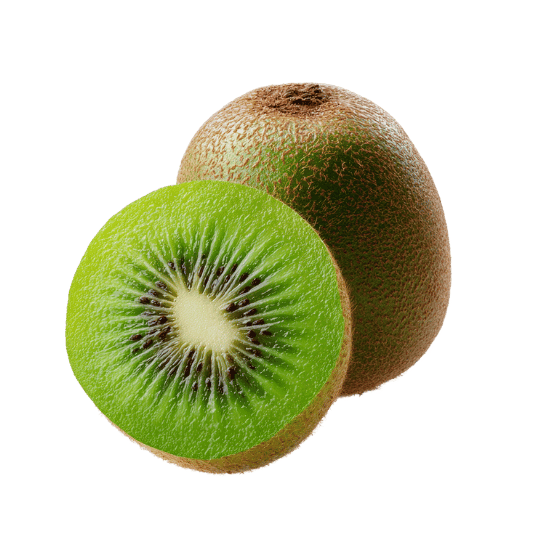
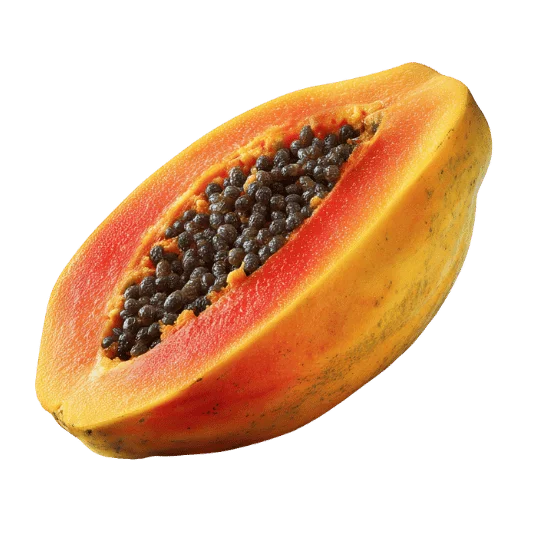
No. Oranges are a good source, but per 100 g guava, kiwi, papaya and strawberries all have more. Guava has roughly four times as much as an orange. A cup of strawberries (85 mg) actually beats a medium orange (70 mg).
Tropical fruits lead the list
Guava, papaya, pineapple and mango all rank in the top ten. A cup of papaya (88 mg) or pineapple (79 mg) gets you most of the way to the daily value, which makes them easy additions to smoothies, juices and fruit cups.
Does freezing destroy vitamin C?
Vitamin C breaks down with heat, light, air and time. Freezing slows that down a lot. Fruit that's frozen within hours of harvest often holds its vitamin C as well as or better than fresh fruit that has spent several days in transit and in the fridge. The bigger losses come from cooking and from leaving cut fruit or juice sitting out.
Getting the most vitamin C from fruit
Eat it raw or blend it, keep cooking short, and use cut or thawed fruit soon. Juice starts losing vitamin C once it's opened, so whole or frozen fruit is the more reliable source.
How we ranked these fruits
Values are per 100 g of raw edible fruit from USDA FoodData Central. Per serving amounts use the serving shown under each fruit, and % daily value uses the 90 mg FDA daily value. Acai is not ranked because USDA does not list vitamin C for acai pulp. Vegetables and roots in our database, like jicama and sweet potato, are left out.
More fruit nutrition rankings