What makes a fruit low in calories?
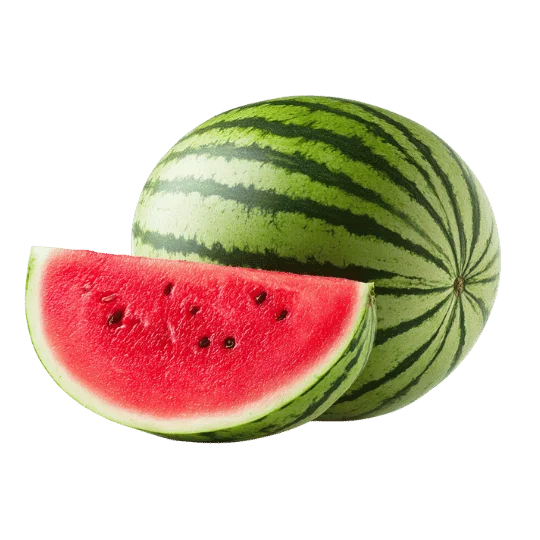
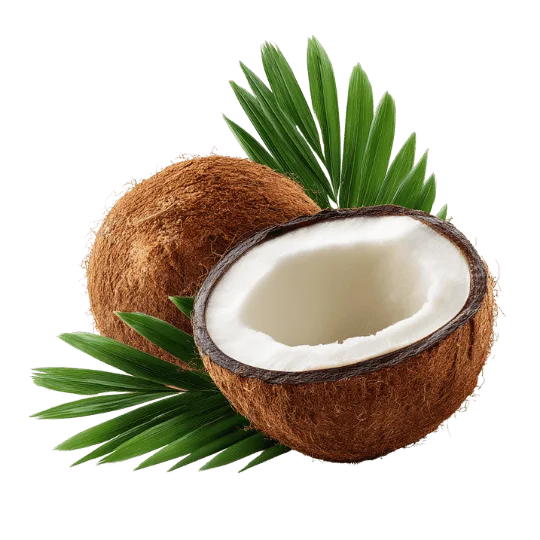
Water. Watermelon, strawberries and melons are around 90% water, so a big bowl weighs a lot and still comes in under 60 calories. The fruits at the bottom of the list are the exceptions: coconut and avocado get most of their calories from fat, and bananas, jackfruit and passion fruit are denser in starch and sugar.
The lowest calorie fruits you'd actually eat
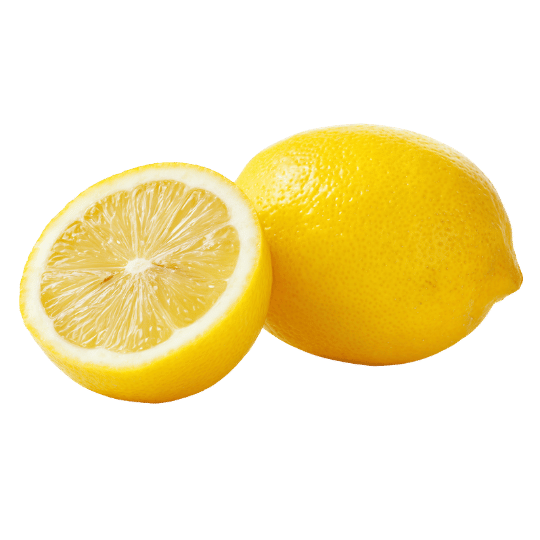
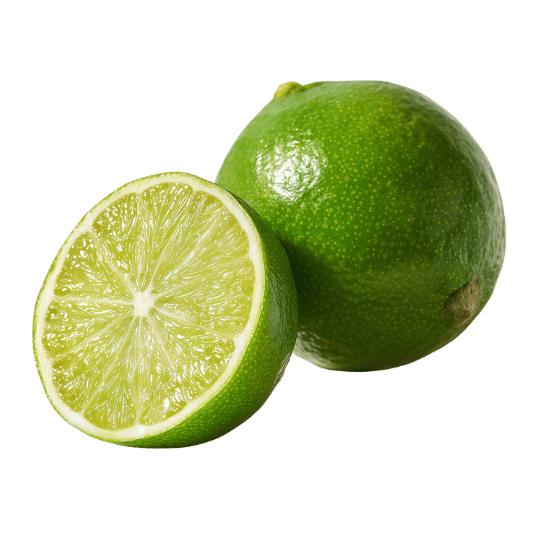
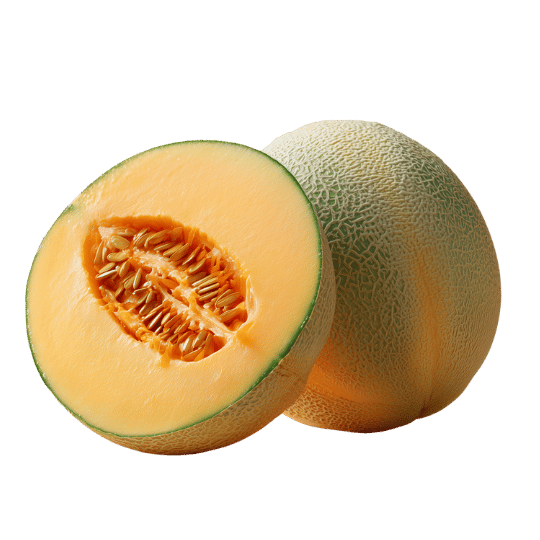
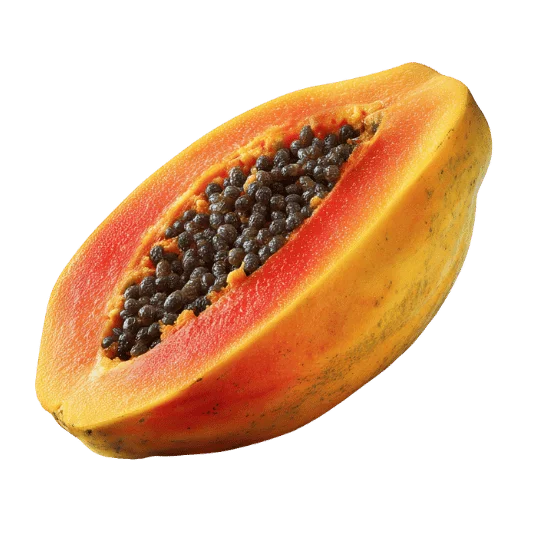
Lemons and limes top the list, but nobody eats a bowl of them. For everyday snacking, watermelon and strawberries (about 46 calories per cup), cantaloupe (54), peaches (60) and blackberries and papaya (62) give you the most fruit for the fewest calories.
Per 100 g vs per serving
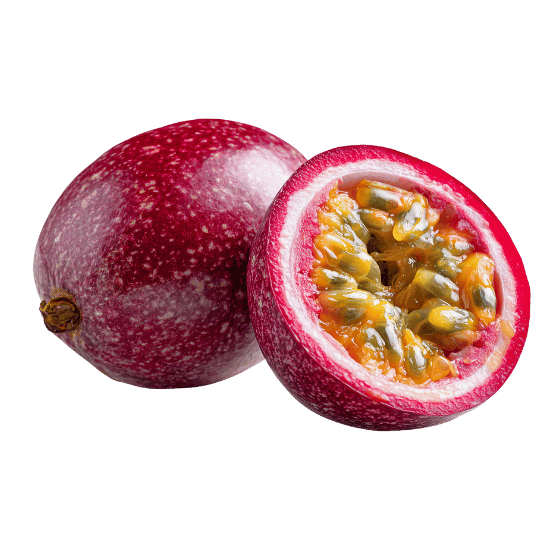
Per 100 g tells you how dense a fruit is. Per serving tells you what you'll actually eat. A passion fruit has 97 calories per 100 g but only about 18 g of pulp, so one fruit is around 17 calories. A cup of mango (99) has twice the calories of a cup of strawberries (46).
Is frozen fruit lower in calories?
Plain frozen fruit has the same calories as fresh, gram for gram. Freezing doesn't add or remove anything. The difference comes from added sugar or syrup, so check that the ingredient list is just the fruit.
Higher calorie fruits aren't bad
Avocado and coconut are high in calories because of fat, and bananas because of carbs. They're filling and useful for smoothies, athletes and anyone trying to gain weight. See our list of high calorie fruits for that side of the ranking.
How we ranked these fruits
Calories are per 100 g of raw edible fruit from USDA FoodData Central, rounded to whole numbers. Acai is plain unsweetened frozen pulp. Per serving amounts use the serving shown under each fruit. Vegetables and roots in our database, like beets and sweet potato, are left out.
More fruit nutrition rankings