What glycemic index and glycemic load mean
Glycemic index (GI) compares how much a food raises blood sugar against pure glucose, which scores 100. It's measured with a portion that contains 50 g of available carbohydrate. A GI of 55 or less is low, 56 to 69 is medium and 70 or more is high. Glycemic load (GL) adjusts for how much carbohydrate is actually in a normal serving: GI multiplied by the grams of available carbs, divided by 100. A GL of 10 or less is low, 11 to 19 is medium and 20 or more is high.
Why the same fruit gets different scores
Fruit GI depends on variety, ripeness, where it was grown and how the test was run. Bananas are the clearest example: tests range from 30 for under-ripe bananas to 75, with a typical result of 48. Watermelon has been tested anywhere from 47 to 80. That's why this list shows the median of every raw fruit test in the University of Sydney's international GI database, plus the lowest and highest result, instead of a single number copied from one study.
Glycemic load is the more useful number
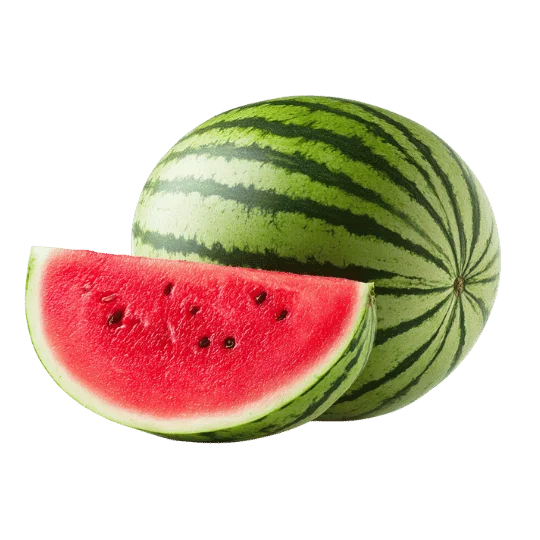
GI says nothing about portion size. Watermelon has a median GI of 51, but a cup has only about 11 g of available carbs, so its glycemic load is 6. A cup of grapes has a similar GI but more than twice the carbs, for a load of 13. For everyday choices, the glycemic load per serving tells you more about what will happen to your blood sugar.
Fruits that haven't been tested
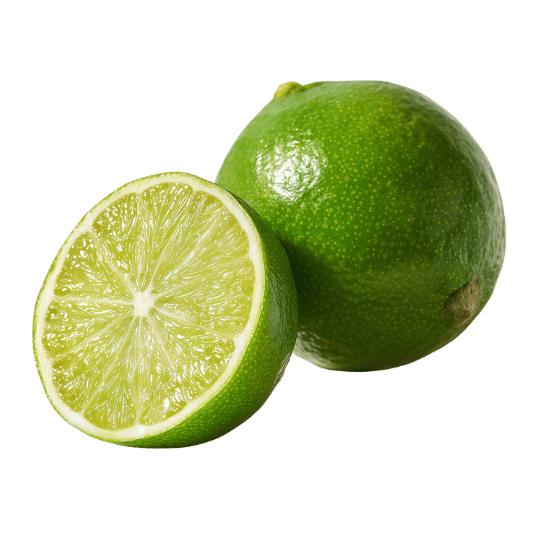
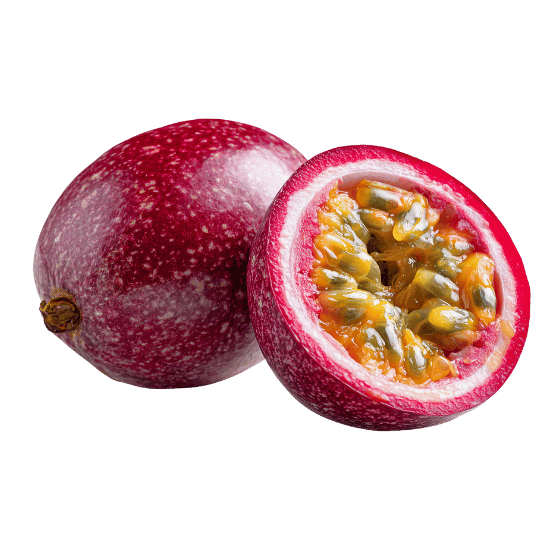
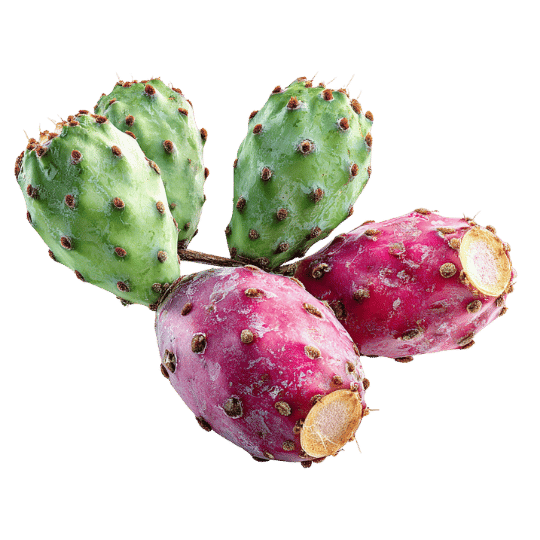
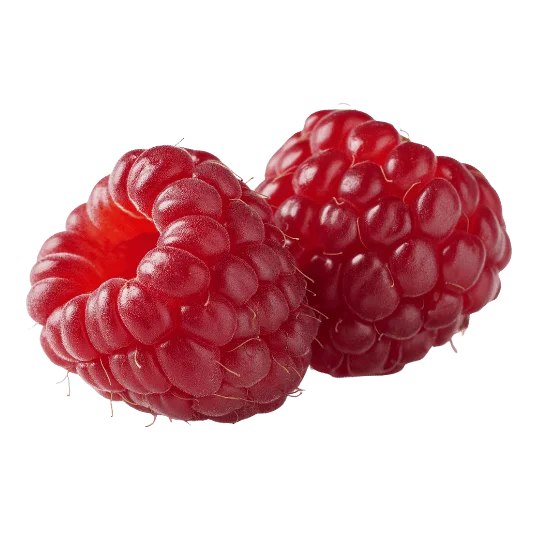
There's no reliable GI result for raw acai, avocado, raspberries, blackberries, cranberries, lemons, limes, coconut, honeydew, passion fruit, prickly pear, goldenberries or jackfruit, so they aren't ranked here. Several of them are very low in sugar to begin with, so their effect on blood sugar is small. Our low sugar and net carb rankings cover all of them.
Does freezing change the GI?
Freezing doesn't add sugar or break down fiber. In a UK study, frozen and thawed mango tested at a GI of 31, at the low end of the range for mango. Juice is different: removing the fiber and pulp generally makes fruit sugar hit faster, so whole or frozen fruit is the better choice.
Tips for keeping blood sugar steady
Pair fruit with protein or fat, like yogurt or nuts. Keep portions to about a cup. Choose firmer, less ripe fruit when you can, since ripening turns starch into sugar. If you manage diabetes, your own glucose readings and your care team's advice matter more than any table.
How we ranked these fruits
GI values come from the University of Sydney's international GI database (glycemicindex.com). We used every test of raw, fresh or frozen and thawed whole fruit, and left out juices, canned and dried fruit, desserts and Asian pears. Each ranking shows the median rounded to a whole number. Strawberries, blueberries (wild) and dragon fruit have only one test each, while bananas have 25. Glycemic load uses USDA FoodData Central net carbs for the serving shown under each fruit.
More fruit nutrition rankings