How much zinc do you need a day?
The daily value for zinc on US labels is 11 mg. The recommended intake is 11 mg for adult men and 8 mg for adult women, a little more during pregnancy and breastfeeding. Zinc supports immune function, wound healing and taste and smell, and your body doesn't store much of it, so you need some every day.
Which fruits have the most zinc?
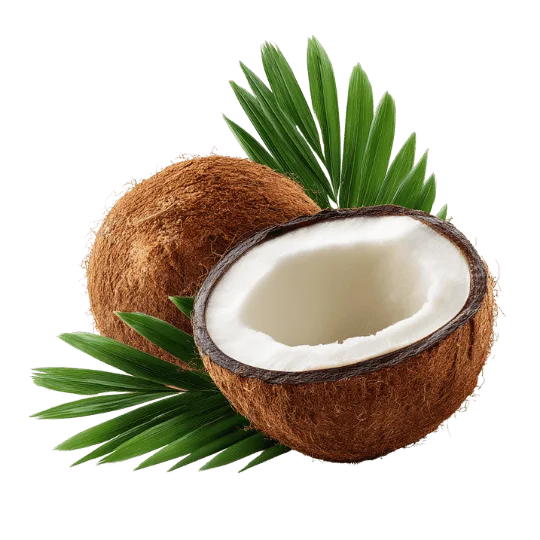
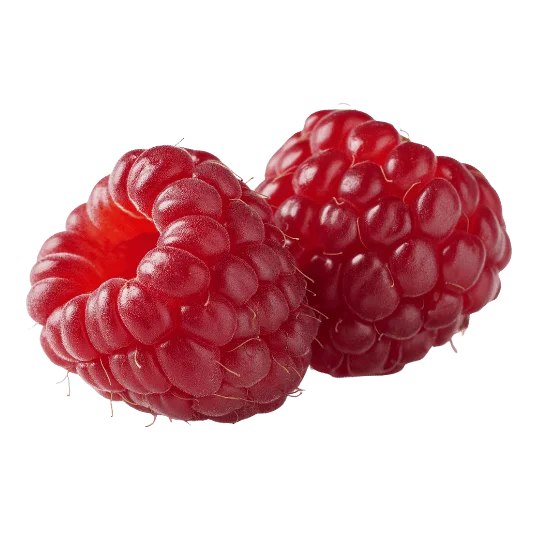
Coconut meat leads at 1.1 mg per 100 g, followed by avocado (0.68 mg), blackberries (0.53 mg) and raspberries (0.42 mg). Per serving, a whole avocado (0.9 mg), a cup of shredded coconut (0.9 mg) and a cup of blackberries (0.8 mg) are the best fruit picks, each around 7 to 8% of the daily value. Most other fruits have less than 0.2 mg per 100 g.
Fruit is a small zinc source
Honest answer: no fruit is a high zinc food. Shellfish (especially oysters), red meat, poultry, beans, lentils, pumpkin seeds, nuts and dairy supply most people's zinc. Fruit adds a little on top, and the berries and avocado on this list are the most useful if you're building a plant based meal.
Pairing for better absorption
Plant foods contain phytates, which can reduce zinc absorption. Fruit itself is low in phytates, and eating berries or avocado alongside beans, whole grains or seeds doesn't hurt. For vegetarians and vegans, soaking or sprouting beans and grains helps more than anything fruit can do.
Does frozen fruit lose zinc?
No. Zinc is a mineral and freezing doesn't break it down. Frozen berries and avocado have the same zinc as fresh, gram for gram.
How we ranked these fruits
Values are zinc per 100 g of raw edible fruit from USDA FoodData Central. Per serving amounts use the serving shown under each fruit, and % daily value uses the 11 mg FDA daily value. Acai and goldenberries are not ranked because USDA does not list their zinc. Vegetables and roots in our database are left out.
More fruit nutrition rankings