








What are FODMAPs in fruit?
FODMAPs are short chain carbohydrates that some people absorb poorly, and they are a common trigger for IBS symptoms. The low FODMAP diet was developed by researchers at Monash University in Australia, who still test foods and publish the results in the Monash FODMAP app. In fruit, the two FODMAPs that matter most are excess fructose and sorbitol.
Fructose is absorbed well when a food has at least as much glucose as fructose. When fructose outweighs glucose, the extra is called excess fructose, and that is the part that can cause trouble. Sorbitol is a sugar alcohol found naturally in some stone fruit and pome fruit.
Which fruits are low FODMAP?
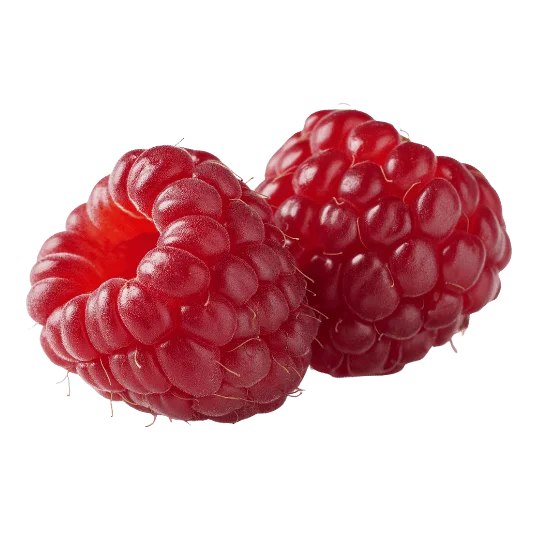
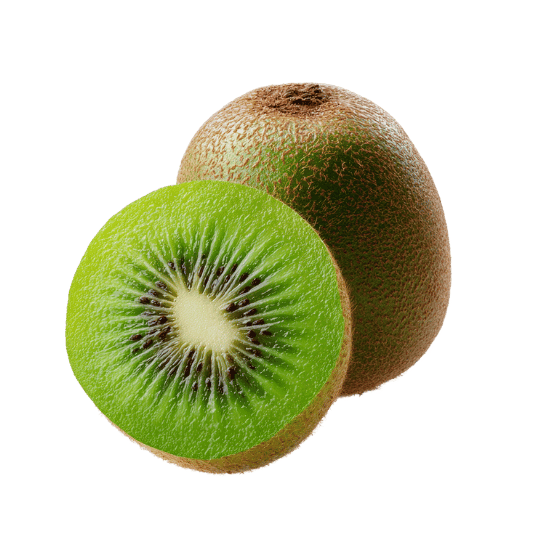
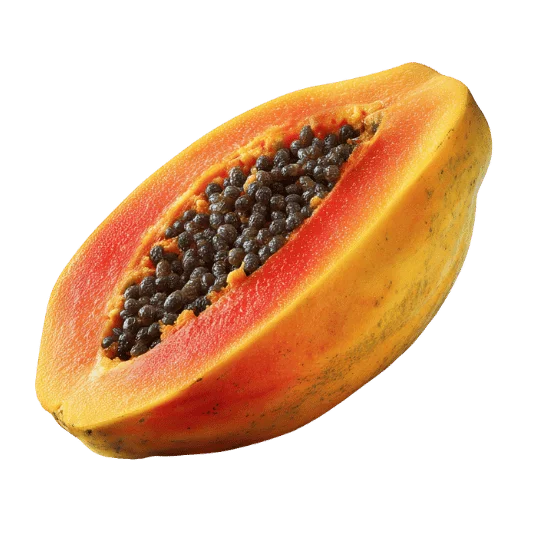
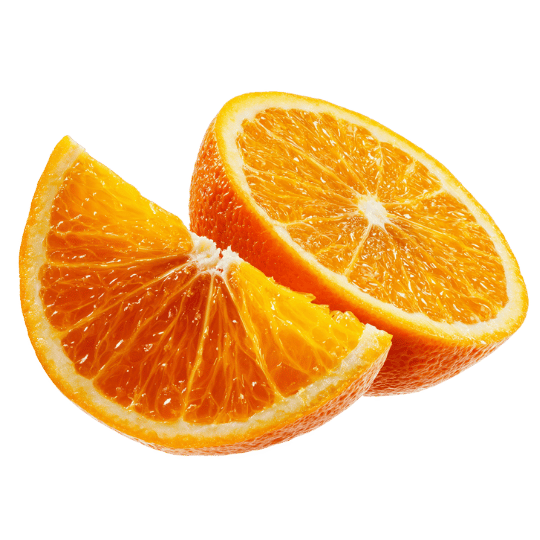
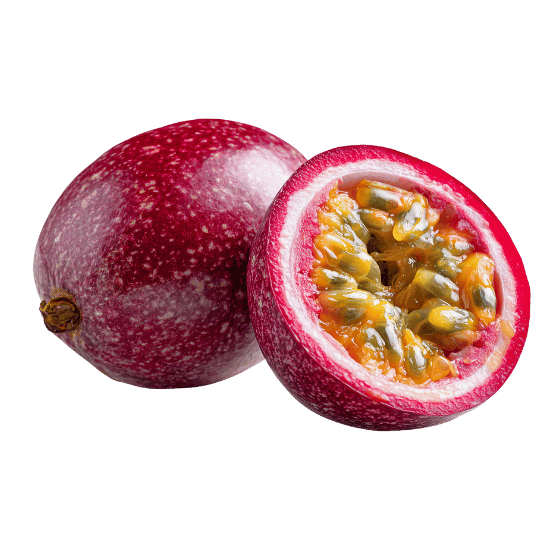
Monash lists blueberries, strawberries, raspberries, kiwi, pineapple, papaya, passion fruit, oranges, mandarins, star fruit and firm bananas among its low FODMAP staples. Firm is the key word for bananas: as they ripen, their FODMAP content goes up, so a spotty banana is not the same as a just ripe one.
Which fruits are high FODMAP?
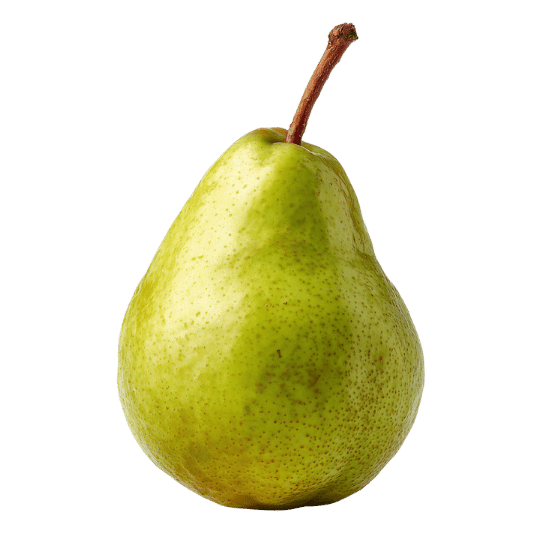
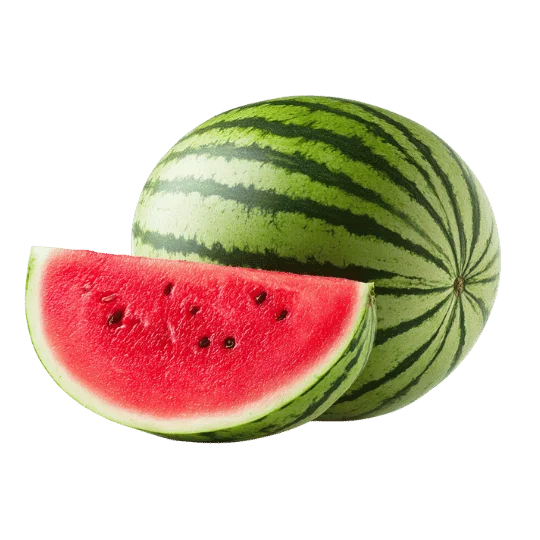
According to Monash, the fruits highest in excess fructose include apples, pears, mangoes, cherries, figs, nashi pears, watermelon and dried fruit. The fruits richest in sorbitol include apples, cherries, nashi pears, peaches and plums. Apples, pears and cherries have both, which is why they are among the hardest fruits for people with IBS.
Serving size changes everything
Almost every fruit has a serving size where it moves from low to moderate or high FODMAP. A small handful of strawberries can be fine while a large bowl is not, and even some high FODMAP fruits have a small low FODMAP serve. Monash retests foods over time and updates the serve sizes in its app, so we don't copy exact gram amounts here. Check the Monash FODMAP app for current serve sizes, and work with a dietitian if you can.
Tips for eating fruit on a low FODMAP diet
Monash recommends avoiding large servings of any fruit and being especially careful with fruit juice, which concentrates fructose. Spread your fruit across the day instead of having it all at once. Smoothies count too: a smoothie made with several fruits adds their FODMAPs together, so build it around one or two low FODMAP fruits in sensible amounts.
Is frozen fruit low FODMAP?
Plain frozen fruit is the same fruit, so the same rules apply. Monash points out that frozen fruit is just as nutritious as fresh, and IQF blueberries, strawberries, raspberries, pineapple and papaya are an easy way to keep low FODMAP options on hand. Read the label on blends and smoothie packs: Monash flags apple juice, pear juice, fruit juice concentrates and honey as common hidden sources of excess fructose.
How we put this list together
This page is based on information Monash University has published about FODMAPs in fruit. It is a general guide, not a substitute for the Monash FODMAP app or advice from a dietitian who knows your situation.

