








What makes a fruit low acid?
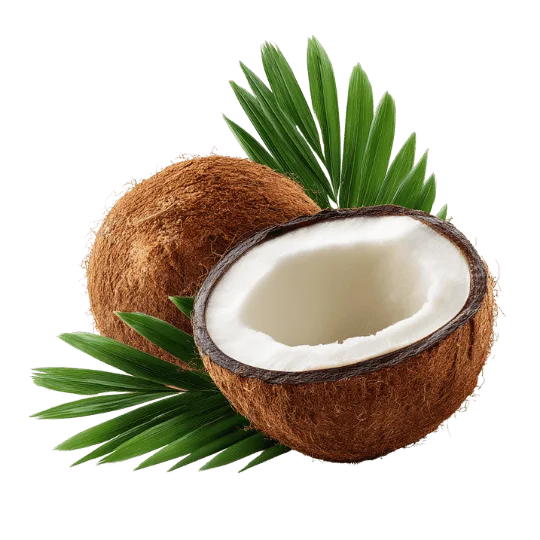
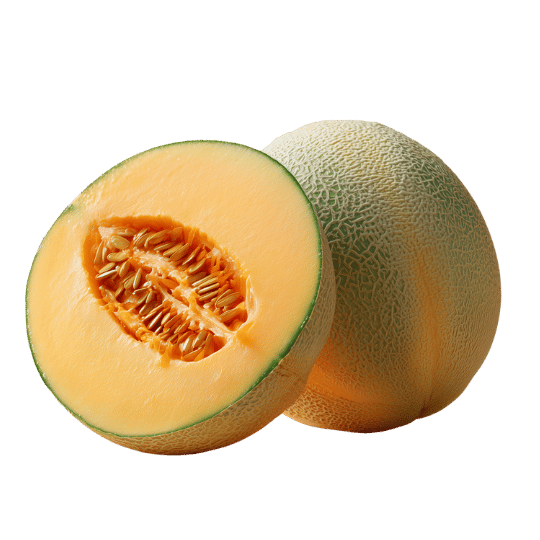
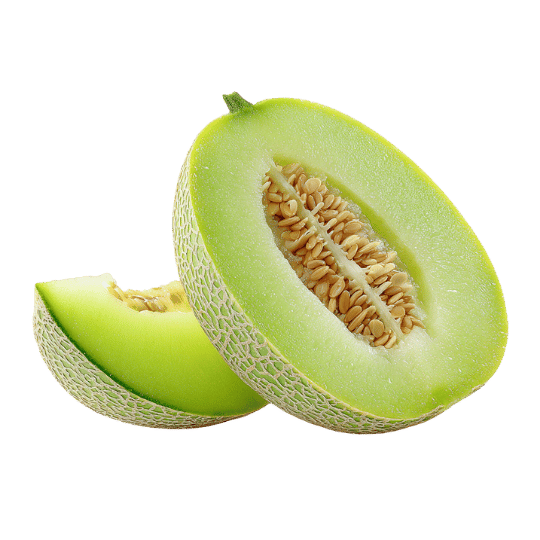
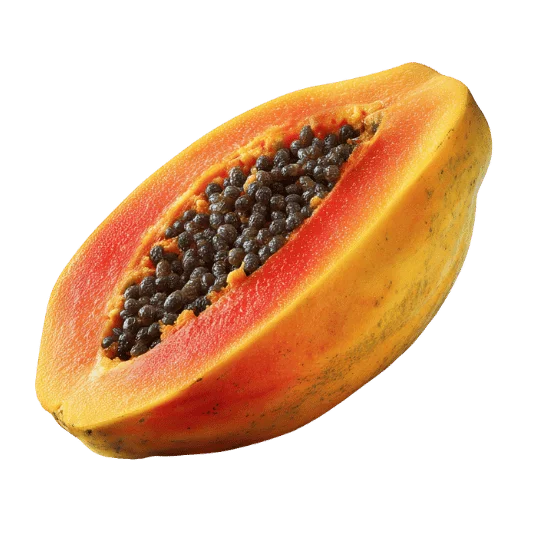
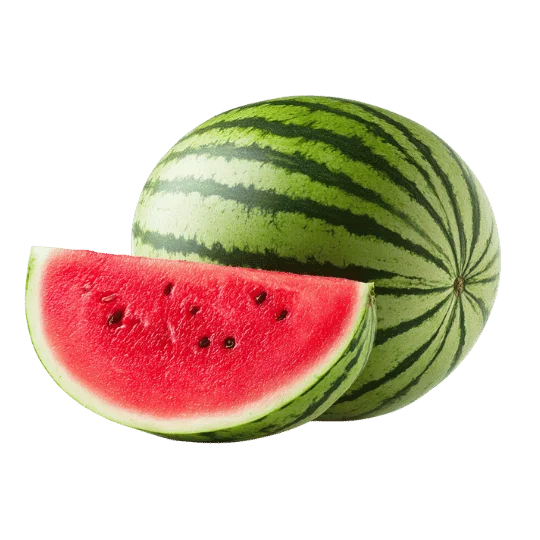
Acidity is measured on the pH scale, where 7 is neutral and every step down is ten times more acidic. Most fruit sits between pH 3 and 4. The FDA uses pH 4.6 as the line between acid foods and low acid foods, and by that standard only a handful of fruits count as truly low acid: coconut, avocado, cantaloupe, honeydew, jackfruit, papaya, watermelon and banana.
Which fruits are the least acidic?
Coconut (pH 5.5 to 7.8), avocado (6.27 to 6.58), cantaloupe (6.13 to 6.58) and honeydew (6.00 to 6.67) are the least acidic fruits on the FDA list, close to neutral. Papaya (5.2 to 6.0), watermelon (5.18 to 5.60) and banana (4.5 to 5.2) follow. Jackfruit has a wide range, from 4.8 to 6.8, depending on ripeness.
Which fruits are the most acidic?
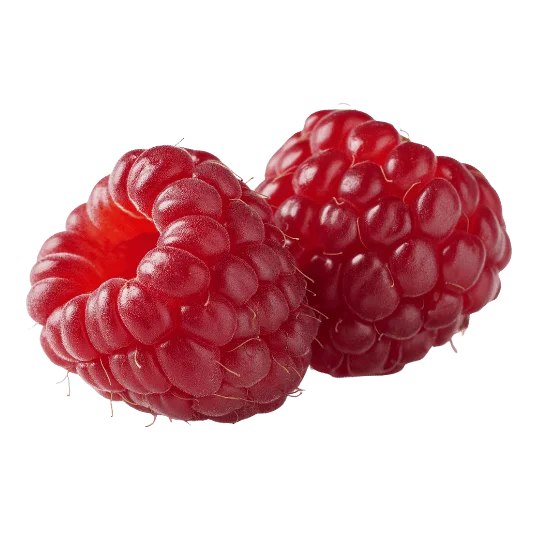
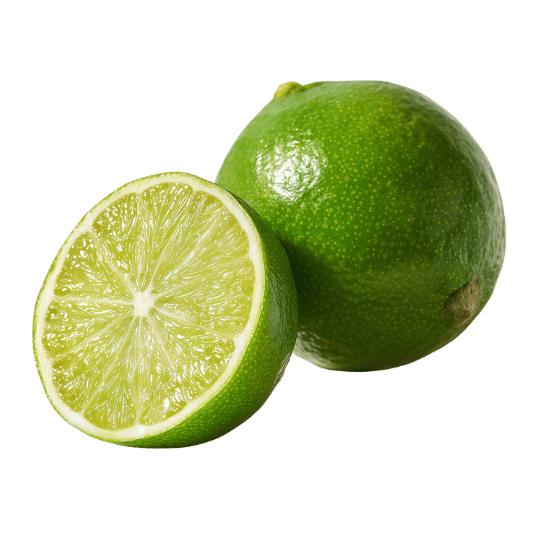
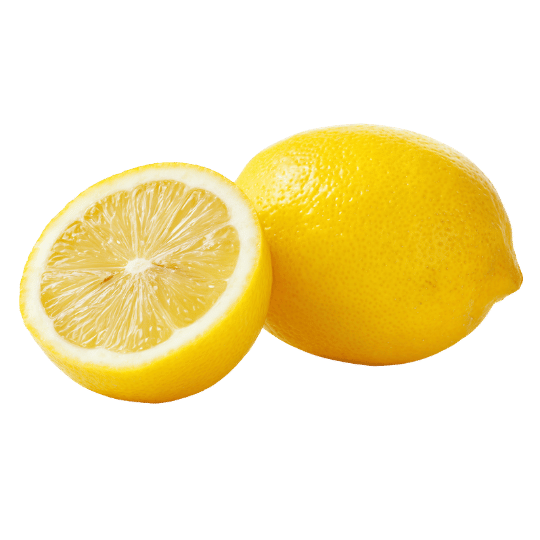
Lemon juice (pH 2.0 to 2.6) and limes (2.0 to 2.8) are the most acidic, followed by blueberries (3.12 to 3.33), grapes (2.90 to 3.82) and strawberries (3.00 to 3.90). Pineapple, raspberries, apples and peaches all land in the mid 3s.
Low acid fruit and acid reflux
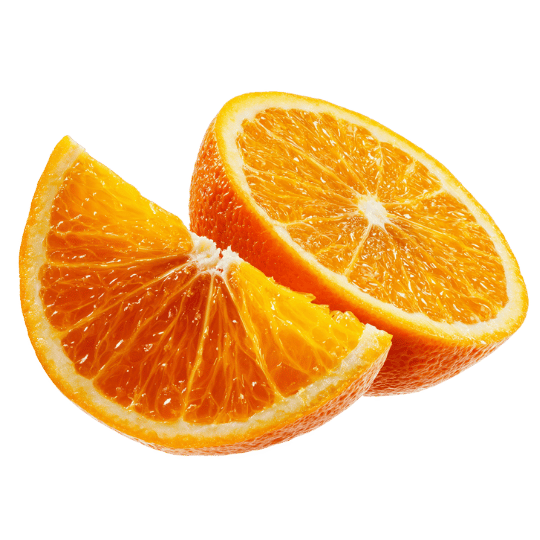
A lot of people look for low acid fruit because of heartburn or reflux. Melons and bananas show up on many reflux friendly food lists, while citrus is a common trigger. pH is only part of the picture, though, and trigger foods are different for everyone. If you are managing reflux, your doctor or dietitian is the best guide to what works for you.
Ripeness and variety matter
These are ranges, not fixed numbers. The FDA lists ripe mangoes at pH 3.40 to 4.80 and gives separate values for different apple, grape and plum varieties. Riper fruit is generally less acidic than underripe fruit of the same kind, and growing conditions shift it too.
Does freezing change acidity?
Not in any meaningful way. The FDA list puts frozen blueberries at pH 3.11 to 3.22 and fresh Maine blueberries at 3.12 to 3.33. IQF fruit is frozen within hours of harvest, so it keeps the same acidity and flavor as the fresh fruit it came from.
Why pH matters for food and drink makers
For processors, pH affects shelf life, food safety rules and flavor. The 4.6 line is the same one the FDA uses for canned and acidified foods, so low acid fruits like banana, papaya and coconut are handled differently from strawberries or pineapple in shelf stable products. In smoothies and frozen desserts, pairing a low acid base like banana or papaya with tart berries balances the flavor without added acid.
How we ranked them
Values come from the FDA's Approximate pH of Foods and Food Products list. We ranked each fruit by the midpoint of its range, least acidic first. Kiwi, guava, passion fruit, cranberries, dragon fruit and acai are not on the FDA list, so we left them out rather than guess.

