












How much vitamin K do you need a day?
The daily value for vitamin K on US labels is 120 µg. Adult men need about 120 µg a day and adult women about 90 µg. Vitamin K helps blood clot normally and plays a part in building and keeping healthy bones.
Which fruits have the most vitamin K?
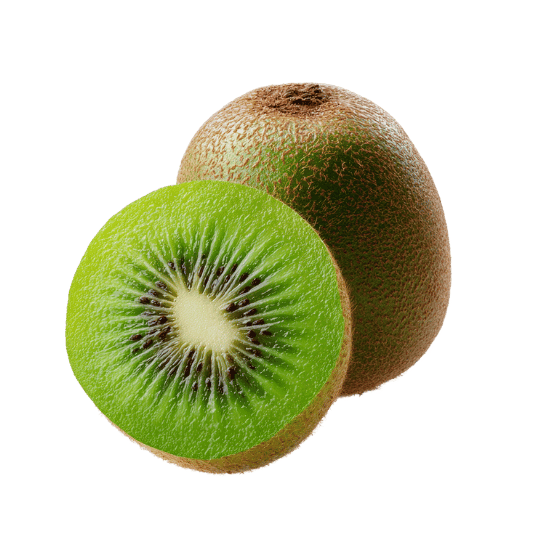
Kiwi leads per 100 g with 40 µg, and one kiwi has about 28 µg. Per serving, a whole avocado, a cup of blackberries and a cup of blueberries all give around 29 µg, close to a quarter of the daily value, and a cup of grapes about 22 µg. After those five the numbers drop quickly: most other fruits have under 8 µg per 100 g, and citrus has almost none.
Where most vitamin K comes from
Leafy greens are by far the richest source. Half a cup of cooked spinach or kale has several hundred micrograms, more than the whole daily value, and broccoli, Brussels sprouts and green cabbage are also high. The vitamin K in fruit and vegetables is vitamin K1. Fermented foods, cheese and some meats supply small amounts of vitamin K2.
A note if you take blood thinners
Vitamin K works against warfarin and similar blood thinners. If you take one, you don't need to avoid vitamin K, but it helps to keep your intake steady from week to week and to talk to your doctor before making big changes to how much leafy greens or high vitamin K fruit you eat.
Does frozen fruit lose vitamin K?
Vitamin K is fairly stable during freezing, so frozen blueberries, blackberries and avocado keep their vitamin K. It's a fat-soluble vitamin, so it's absorbed best alongside a little fat, like the avocado in a smoothie.
How we ranked these fruits
Values are vitamin K (phylloquinone) per 100 g of raw edible fruit from USDA FoodData Central. Per serving amounts use the serving shown under each fruit, and % daily value uses the 120 µg FDA daily value. Prickly pear, jackfruit, goldenberry and acai are not ranked because USDA has no vitamin K value for them. Vegetables and roots in our database are left out.

