










How much vitamin A do you need a day?
The daily value for vitamin A on US labels is 900 µg RAE (retinol activity equivalents). Adult men need about 900 µg a day and adult women about 700 µg. Vitamin A matters for vision, especially in low light, and for the immune system, skin and normal growth.
Fruit has carotenoids, not ready-made vitamin A
Fruit doesn't contain vitamin A itself. It has carotenoids such as beta-carotene, alpha-carotene and beta-cryptoxanthin, which the body turns into vitamin A as it needs it. That's why the orange-fleshed fruits lead this list: the same pigments that color cantaloupe, mango and papaya are the ones that become vitamin A. The RAE values used here already account for how much of each carotenoid the body converts.
Which fruits have the most vitamin A?
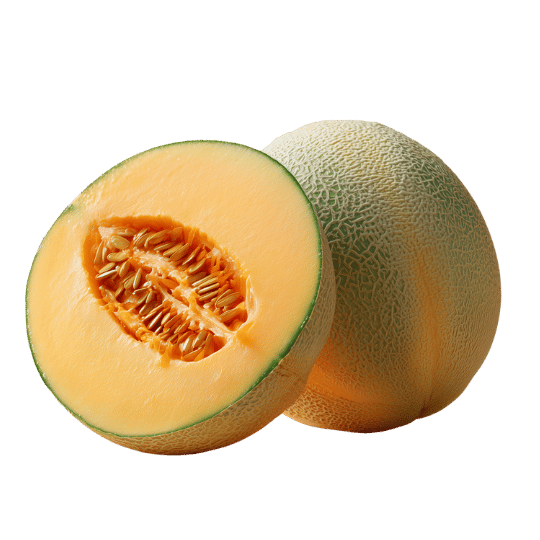
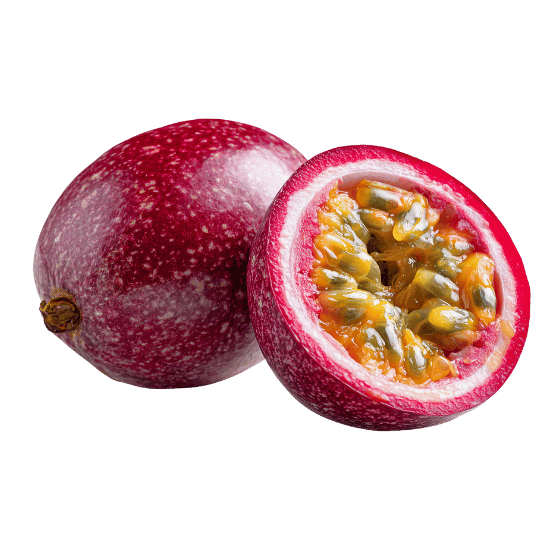
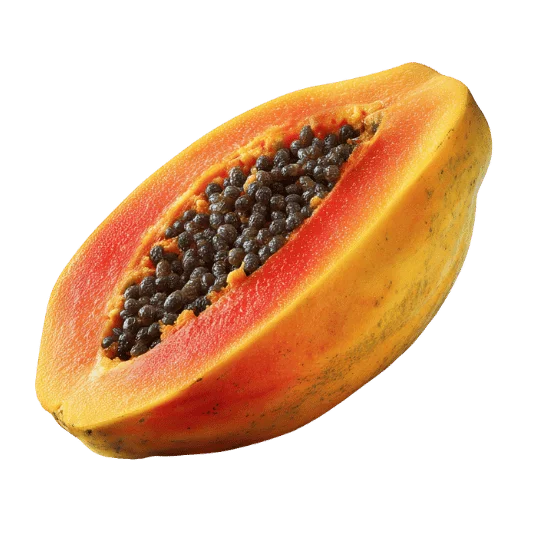
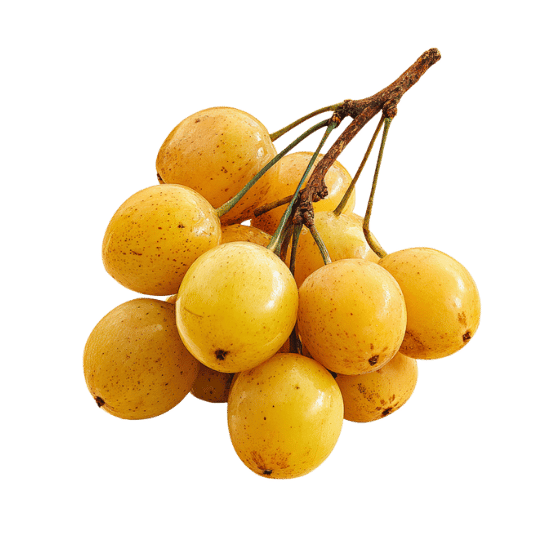
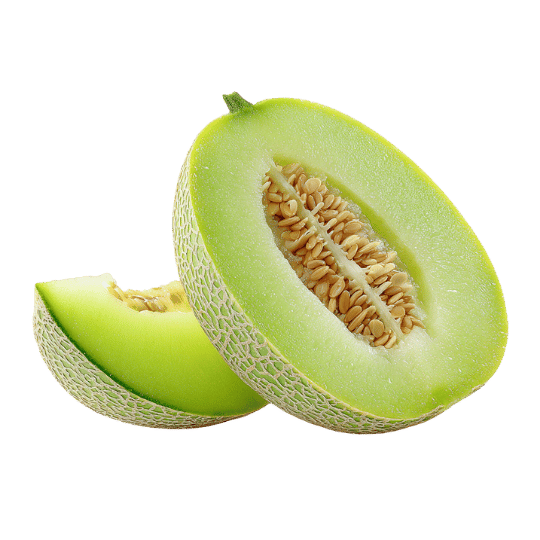
Cantaloupe leads by a wide margin at 169 µg per 100 g, and a cup gives about 270 µg. Mango is the next best everyday choice, with about 89 µg in a cup of pieces, followed by papaya (68 µg a cup) and goldenberries (50 µg a cup). Passion fruit is high per 100 g, but a single fruit only holds about 18 g of pulp.
Where most vitamin A comes from
Sweet potatoes, carrots, pumpkin and dark leafy greens like spinach and kale are the biggest plant sources, and a single baked sweet potato can cover more than the whole daily value. Liver, eggs, dairy and fish supply vitamin A in its ready-made form. Carotenoids are absorbed better when eaten with a little fat, so mango or papaya with yogurt or in a smoothie with nut butter is a good combination.
Does frozen fruit lose vitamin A?
Very little. Carotenoids hold up well in the freezer, so IQF mango, papaya and cantaloupe keep most of their vitamin A. Long exposure to light, air and heat does more damage than freezing.
How we ranked these fruits
Values are vitamin A in µg RAE per 100 g of raw edible fruit from USDA FoodData Central. Per serving amounts use the serving shown under each fruit, and % daily value uses the 900 µg FDA daily value. Acai is not ranked because USDA has no entry for raw acai. Vegetables and roots in our database are left out.

