












How much magnesium do you need a day?
The daily value for magnesium on US labels is 420 mg. Adult men need about 400 to 420 mg a day and adult women about 310 to 320 mg. Magnesium is involved in hundreds of enzyme reactions in the body, including the ones that turn food into energy, and it helps muscles and nerves work, keeps heart rhythm steady and supports bones.
Which fruits have the most magnesium?
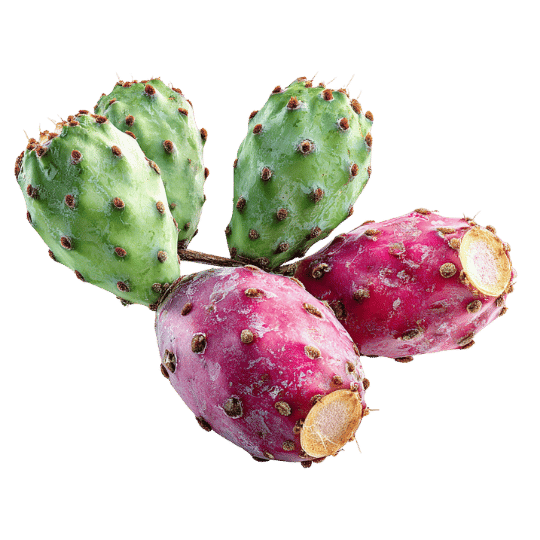
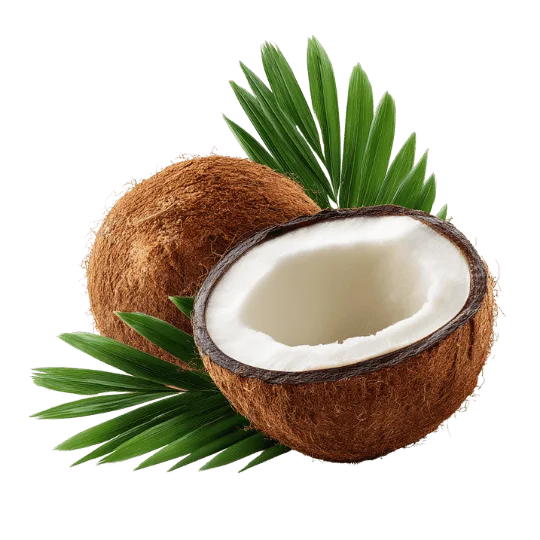
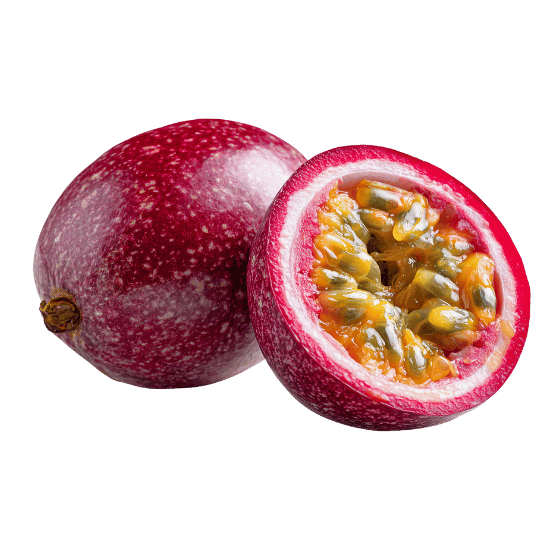
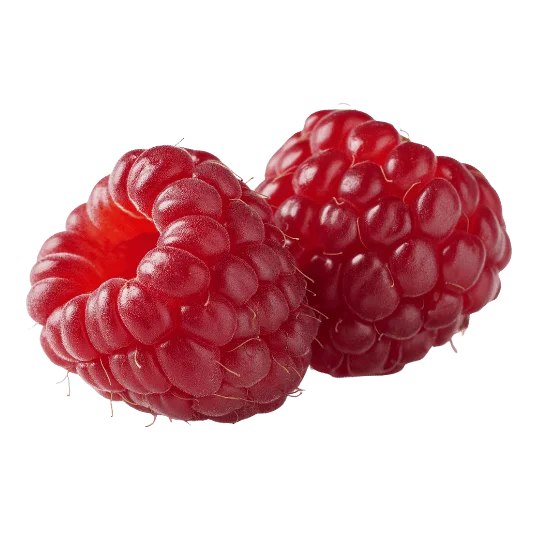
Prickly pear is far ahead of every other fruit at 85 mg per 100 g. After that the numbers drop to around 20 to 30 mg: coconut, jackfruit, avocado, passion fruit and banana. Per serving, a cup of jackfruit has about 48 mg, a whole avocado 39 mg and a medium banana 32 mg, roughly 8 to 11% of the daily value. Berries like raspberries and blackberries add another 27 to 29 mg per cup.
Where most magnesium comes from
Seeds, nuts, beans and whole grains are the richest sources. An ounce of pumpkin seeds has about 156 mg, an ounce of almonds about 80 mg, and half a cup of cooked spinach or black beans 60 to 80 mg. Fruit works best as a steady extra on top of those foods, and a smoothie with banana, avocado and a spoon of nut butter or seeds can add up to a good share of the day's needs.
Does frozen fruit lose magnesium?
No. Magnesium is a mineral, so freezing doesn't break it down. Frozen banana, avocado and berries have the same magnesium as fresh, gram for gram.
How we ranked these fruits
Values are magnesium per 100 g of raw edible fruit from USDA FoodData Central. Per serving amounts use the serving shown under each fruit, and % daily value uses the 420 mg FDA daily value. Goldenberry and acai are not ranked because USDA has no magnesium value for them. Vegetables and roots in our database are left out.

