











Which fruits have the most sugar?
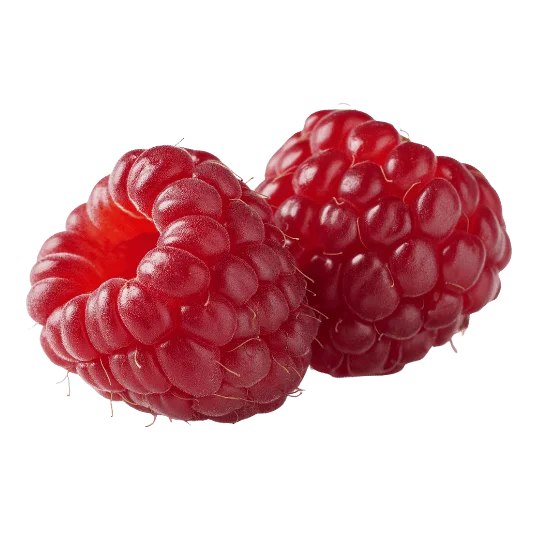
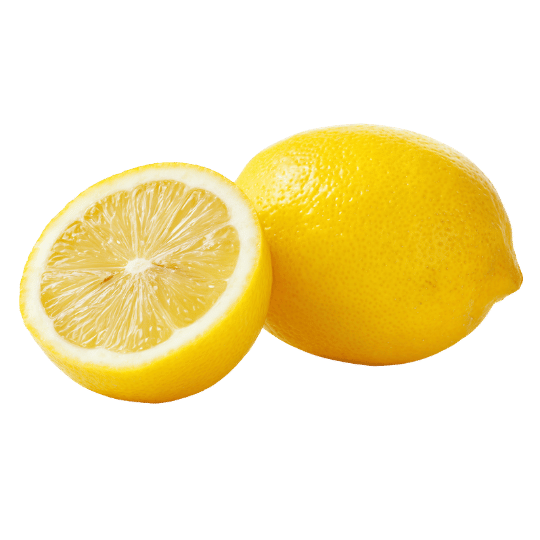
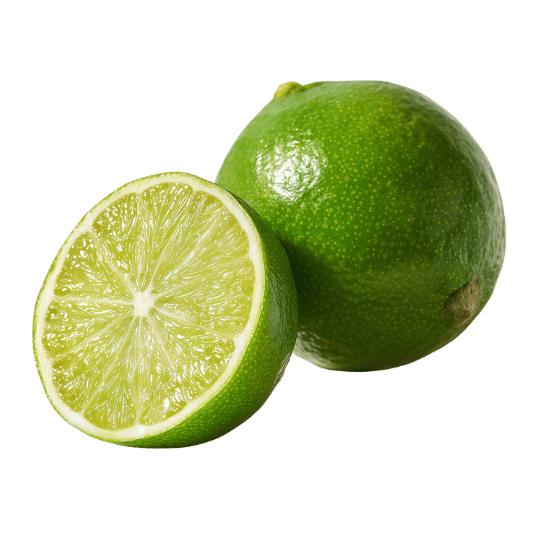
Per 100 g, jackfruit has the most sugar of any fresh fruit at 19.1 g, followed by grapes (15.5 g), mango (13.7 g), cherries (12.8 g) and bananas (12.2 g). Per serving the order shifts a little: a cup of jackfruit has about 31.5 g, a cup of grapes 23.4 g and a cup of mango 22.6 g. At the other end, avocado, lime, lemon, cranberries and raspberries all have under 5 g per 100 g.
Is the sugar in fruit bad for you?
The sugar in whole fruit isn't treated the same as added sugar. The WHO and the US Dietary Guidelines limits apply to added and free sugars, like table sugar, syrups, honey and fruit juice, not to the sugar inside whole fresh or frozen fruit. Whole fruit also brings fiber, water, potassium and vitamin C, and the fiber slows down how fast the sugar reaches your blood.
If you're watching your blood sugar
Grams of sugar per serving matter more than the fruit itself. A cup of grapes or jackfruit is a bigger sugar load than a cup of berries, so portion size is the easiest thing to adjust. Pairing fruit with protein or fat, like yogurt or nuts, also helps. Our glycemic index ranking shows which fruits raise blood sugar the least, and if you have diabetes your own glucose readings and your care team's advice come first.
Dried fruit and juice are different
Drying removes water and concentrates the sugar. Raisins have around 59 g of sugar per 100 g and dates more than 60 g, several times more than the fresh fruit. Juice keeps most of the sugar but loses the fiber, which is why it counts as free sugar. Smoothies made from whole fruit keep the fiber but make it easy to drink several servings at once.
Does frozen fruit have more sugar?
Plain frozen fruit has the same sugar as fresh, gram for gram, because freezing doesn't add or create sugar. Some retail frozen fruit is packed in syrup or sweetened, so check the ingredient list. IQF fruit is just the fruit, frozen piece by piece.
How we ranked these fruits
Values are total sugars per 100 g of raw edible fruit from USDA FoodData Central. Per serving amounts use the serving shown under each fruit. Acai is shown at about 1 g, a typical value for plain unsweetened frozen pulp, since USDA has no entry for raw acai. Goldenberries and prickly pears aren't ranked because USDA doesn't list their sugar. There's no daily value for total sugars, so no % DV is shown. Vegetables and roots in our database are left out.

